Thobile Dlamini
PhD student
thobile.dlamini@unine.ch
D223
+41 32 718 22 28
Research domain
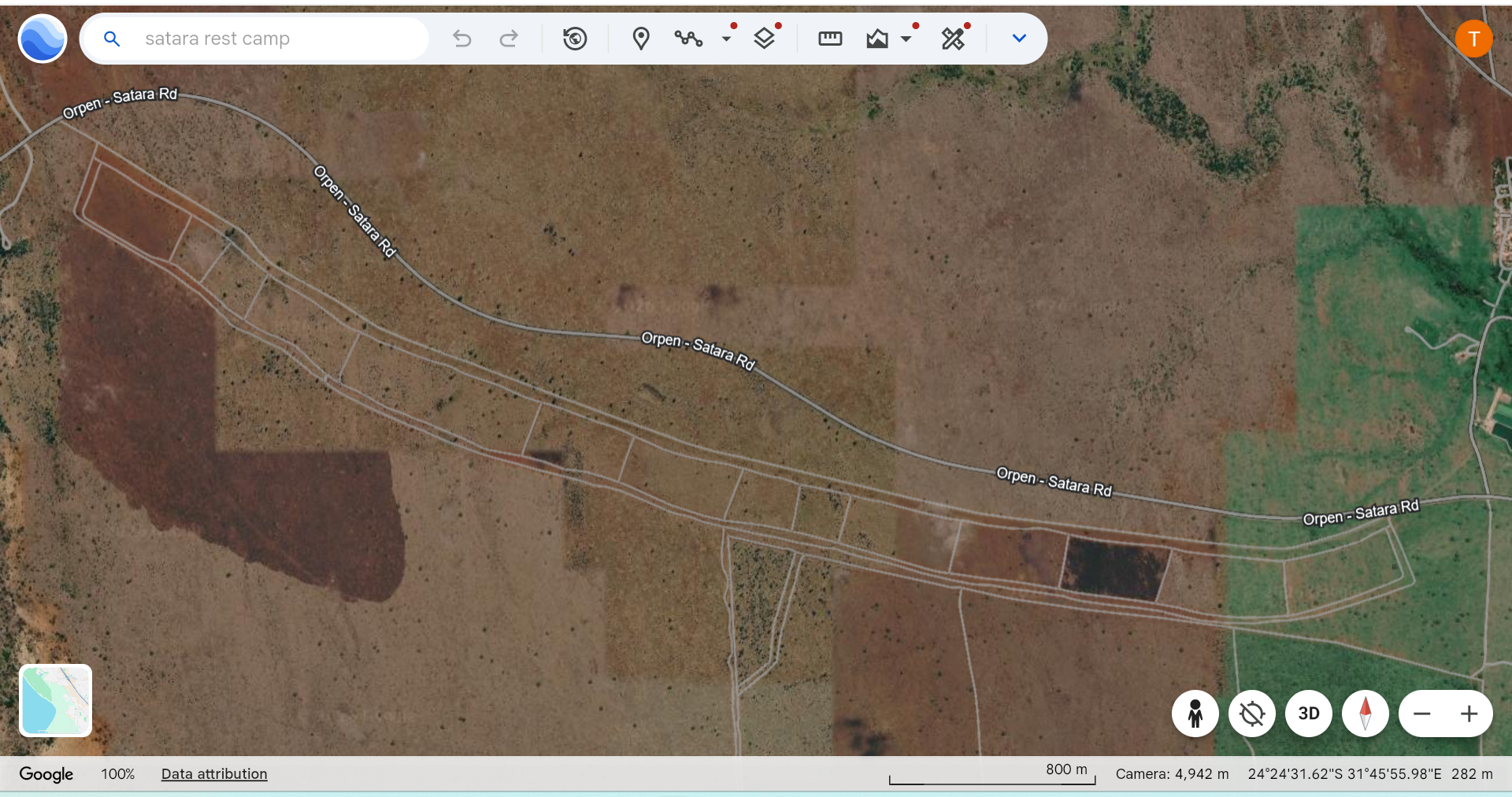
I have a strong interest in fire-soil ecology and ecosystem functioning, particularly in understanding how environmental disturbances like fire influence the soil organisms and processes that sustain ecosystems. My research focuses on the effects of long-term fire regimes on soil biodiversity, soil biological quality and functioning in the savannas of Kruger National Park, South Africa. Fire is an important part of African savanna ecosystems and is also widely used as a management tool to influence vegetation, biodiversity, and ecosystem processes. However, we still know relatively little about how repeated burning over long periods in contrasting geologies, vegetation landscapes and rainfall gradients affects the organisms and processes below the soil surface. The long-term fire experiment established in Kruger National Park in 1954 provides a unique opportunity to investigate these effects over seven decades.
Main themes
- Savanna ecology and management
- Fire ecology
- Soil ecology and biodiversity
- Nutrient cycling
- Soil functioning
- Soil biochemistry
Thesis project
Understanding how fire affects soils is important because soils play a central role in nutrient cycling, water regulation, carbon storage, and the overall functioning of savanna ecosystems. Different fire regimes can influence vegetation and the amount of organic material returned to the soil, potentially leading to long-term changes in soil properties and biological communities. During this research, I am investigating how different long-term fire regimes have shaped soil biodiversity, soil biological quality, and overall soil functioning in Kruger National Park. Using the long-term fire experiment established in 1954, I compare soils exposed to different fire treatments, including annual burns, triennial burns, sexennial burns, no-burn treatments, and Kruger National Park current management fires. By combining physical, chemical, and biological measurements, I aim to understand how differences in fire frequency and season influence the functioning of savanna soils.
With different indicators of soil quality, I am particularly interested in understanding:
i) How do different long-term fire regimes affect soil biodiversity, soil biological quality and soil functioning?
ii) How does fire frequency and season influence soil properties such as structure, water movement, organic matter, and nutrient availability?
iii) How do different fire regimes affect soil microbial communities, microbial biomass, and enzyme activities?
iv) Do repeated fire regimes lead to long-lasting changes in soil properties and ecosystem processes?
ii) How does fire frequency and season influence soil properties such as structure, water movement, organic matter, and nutrient availability?
iii) How do different fire regimes affect soil microbial communities, microbial biomass, and enzyme activities?
iv) Do repeated fire regimes lead to long-lasting changes in soil properties and ecosystem processes?