Fungal genomics
Dr Thomas Badet
Research focus
Fungal pathogens’ pangenomics
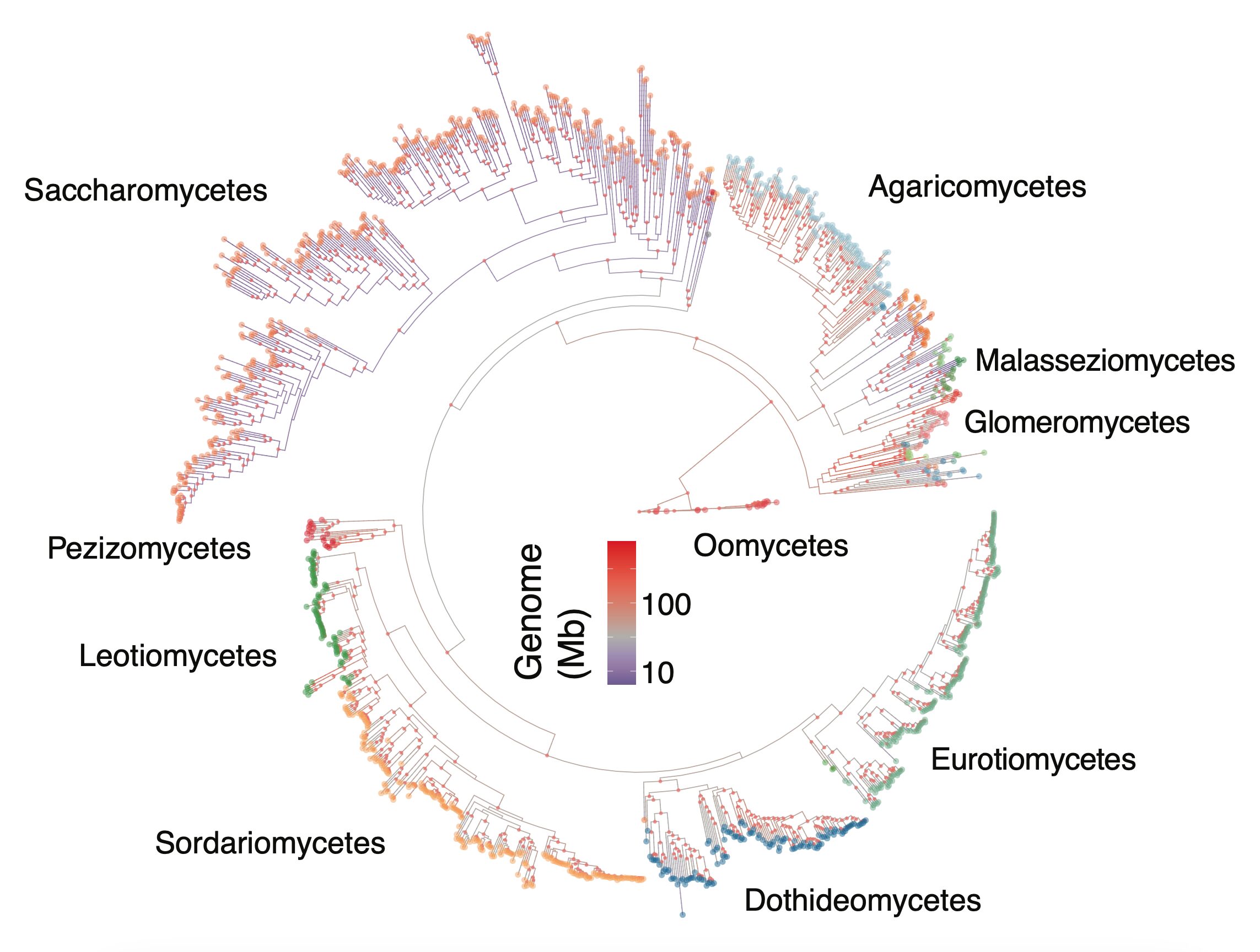
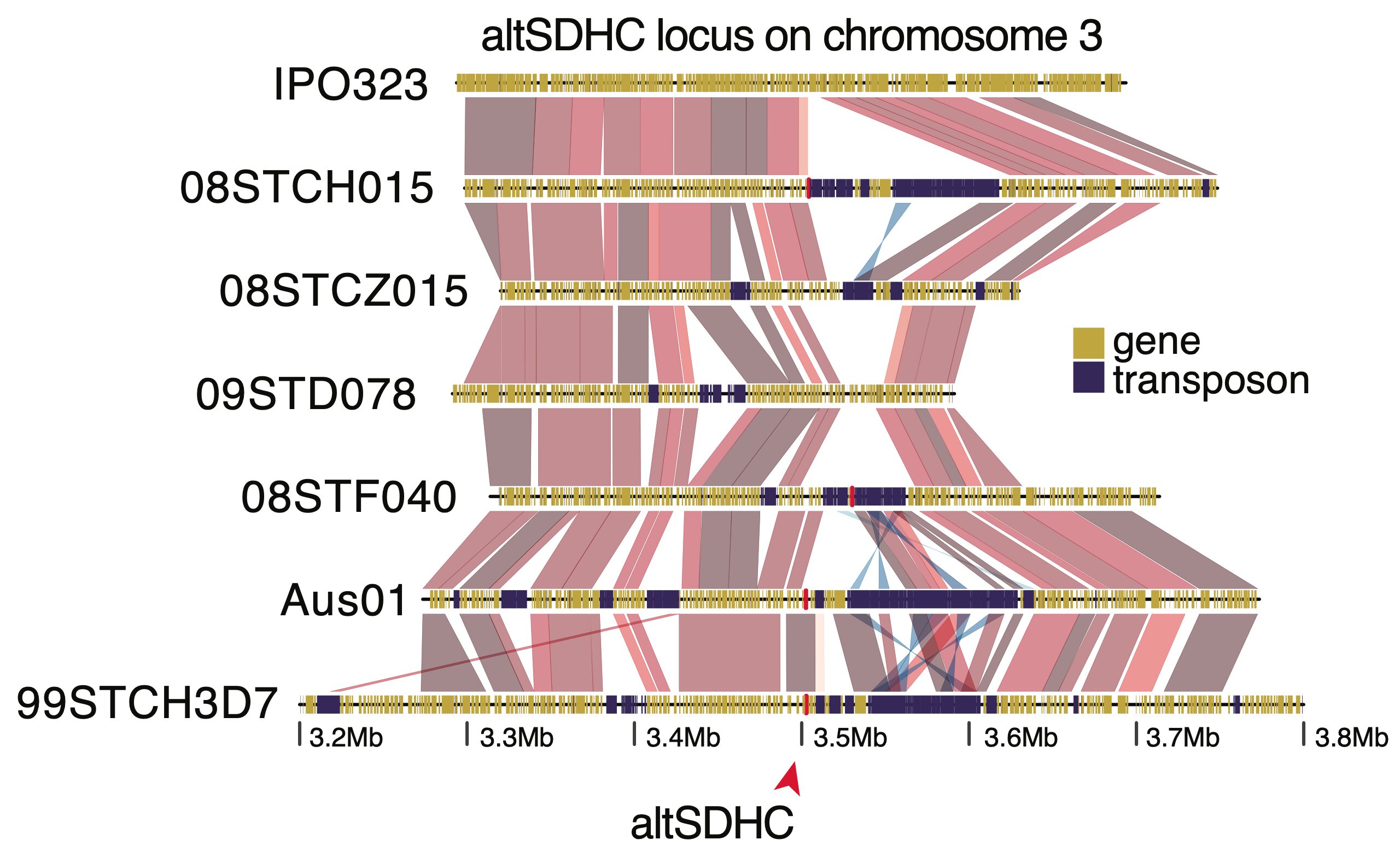
Modern agricultural practices rely on the extensive use of fungicides for disease control. If fungicides are an effective measure against pathogens when first introduced, history has told us that their efficiency rapidly decreases as resistant individuals emerge in field populations (Fisher et al., 2018; Lucas et al., 2015). Genome diversity is of particular importance in the context of rapid adaptation. Moving away from the “single reference genome” paradigm is a prerequisit for better understading what drives pathogen’s evolution in the context of crop production. Indeed, the gene content of a species largely governs its ecological interactions and adaptive potential. A species is therefore defined by both core genes shared between all individuals and accessory genes segregating presence-absence variation. Part of my research focus on accessing the extent of fungal pathogens intraspecific genomic diversity through the construction of pangenomes.
Transposable elements and genome defenses in fungi
Fungi harbor some of the highest mutation rate outside from viruses. Fungal exceptional mutation rate is due to a defense mechanism against genomic parasites known as transposable elements. The process is known as Repeat-Induced Point mutations (RIP) and likely holds a central role in genome evolution. RIP takes place upon sexual recombination, after fertilization and before karyogamy, inducing multiple C-to-T mutations across both duplicated sequences (refs). The wave of RIP mutations occurring upon a single sexual cycle leads to the disruption of the coding sequence, turning transposons inactive. Despite the prevalence of RIP, transposable elements often constitute a large fraction of fungal genome. I’m currently investigating the distribution of signatures of RIP mutations and their impact on genome architecture across the fungal kingdom. Focusing on Neurospora crassa, I also aim at characterizing the genes controlling the mechanism of RIP mutation.