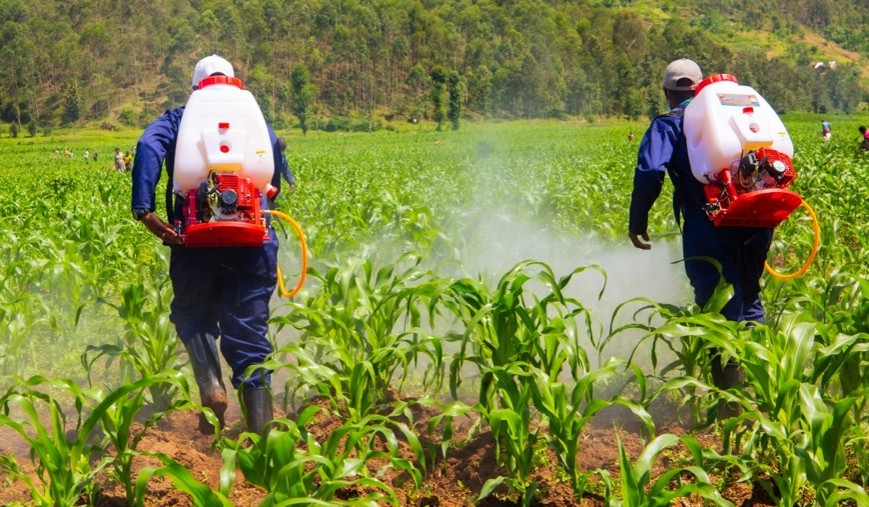
Fall armyworm (Spodoptera frugiperda)
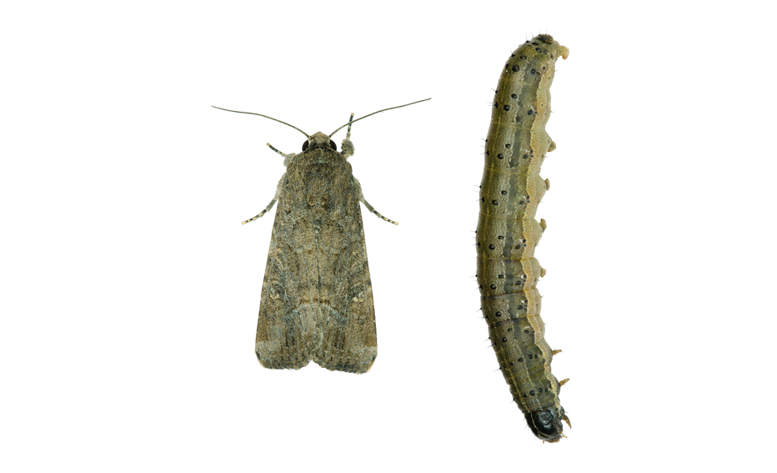
Moth (Adult) Stage
Females can lay 1,000–2,000 eggs over several days, often on the young leaves of the whorl. Adults are strong fliers, capable of traveling up to 100 km in a single night, and seasonal migrations can extend over 1,000 km, aided by wind currents, which is key to the species’ invasive potential.
Caterpillar (Larval) Stage
The larval stage is the primary feeding and damaging phase. Caterpillars attack more than 80 crop species, with a strong preference for maize (corn), but also feed on rice, sorghum, sugarcane, cotton, and grasses.
Preliminary research
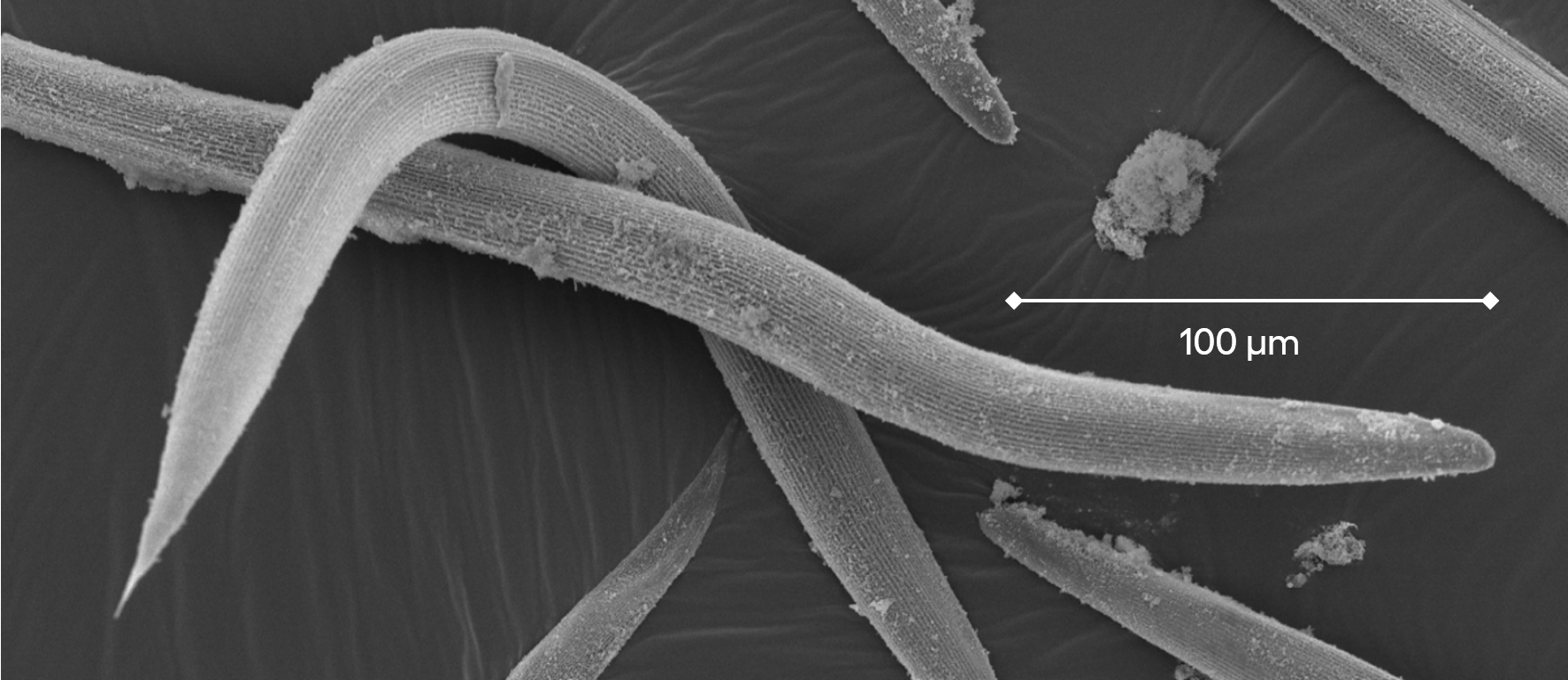
Over the past years, several consortium members have conducted extensive research on the use of entomopathogenic nematodes (EPNs) – microscopic soil-dwelling roundworms that parasitize and kill insect pests – as a natural, safe, and effective alternative to chemical insecticides. EPNs are already used globally to control belowground pests and are known to be harmless to humans, animals, and the environment.
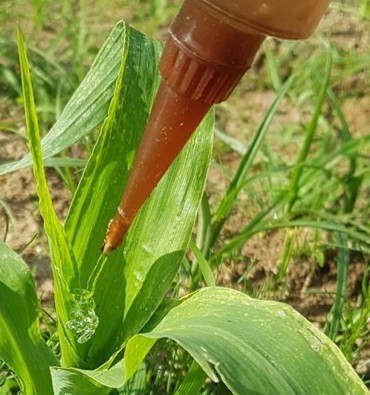
Building on this foundation, our team developed a gel-based formulation that protects EPNs from harsh environmental conditions, such as UV light and desiccation, making them suitable for aboveground application against fall armyworm caterpillars. These EPNs are encapsulated in biodegradable gels or beads that are safe, affordable, and easy to apply in smallholder farming contexts.
Preliminary field trials in Rwanda have demonstrated highly promising results: the EPN gel significantly reduced FAW damage and increased maize yield, matching or even outperforming equivalent insecticide applications. These results validate the feasibility of using EPNs as a field-ready, scalable biocontrol method for FAW in Africa.
Our mission
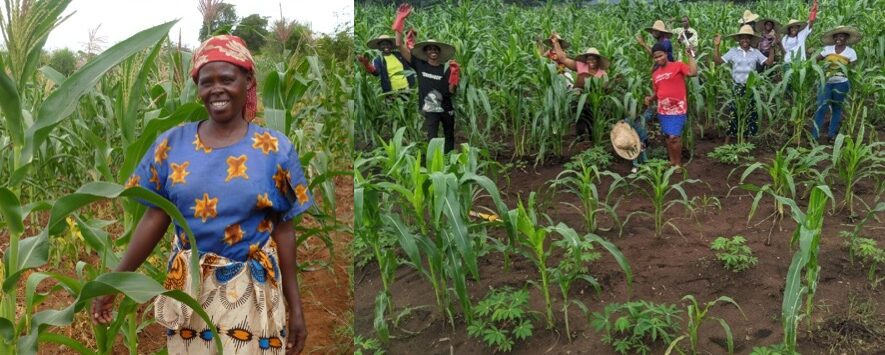
Our mission is to provide smallholder farmers – especially women and youth – with an effective, affordable, and environmentally safe solution to control the fall armyworm. By advancing our nature-based EPN solution, we aim to contribute to the broader goals of sustainable development, including poverty reduction, public health improvement, and the protection of ecosystems.
We strongly believe that sustainable agriculture must be rooted in locally adaptable technologies that empower communities, reduce chemical dependency, and contribute to long-term food security.