Context
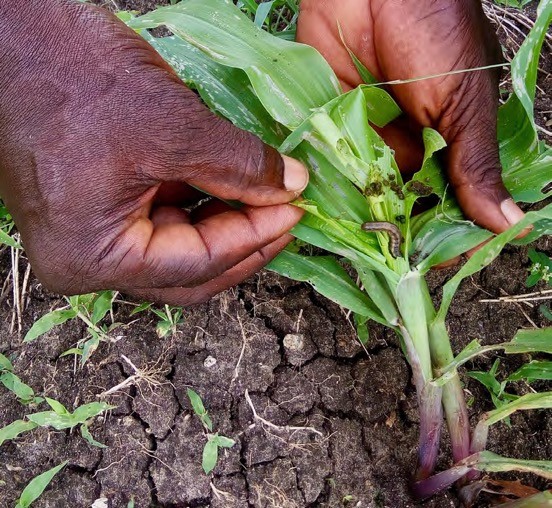
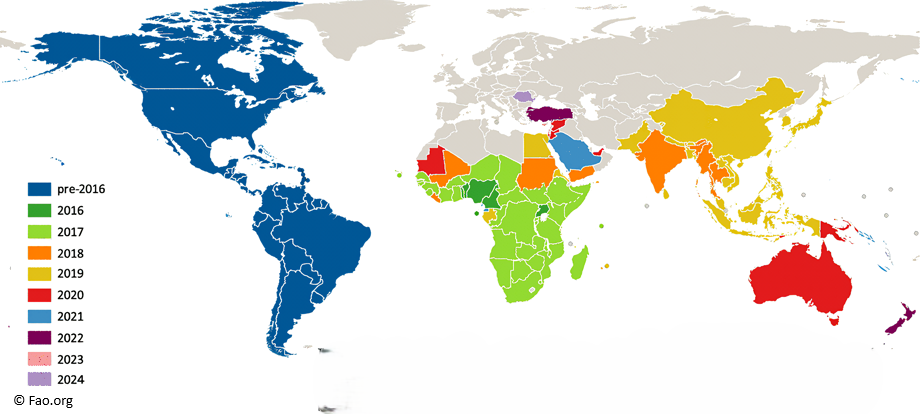
Since its first detection in Nigeria in 2016, the fall armyworm (Spodoptera frugiperda, FAW), a moth native to the Americas, has rapidly invaded sub-Saharan Africa, Asia, and more recently Australia. Its caterpillars feed on a wide variety of staple crops including rice, sorghum, sugarcane, and legumes, but are especially devastating on maize, a key food security crop in Africa.
Across the continent, FAW has become one of the most severe threats to agriculture, with yield losses estimated at over USD 9 billion annually. In Africa alone, the pest puts the food security of more than 65 million people at risk. These losses directly affect the livelihoods of millions of smallholder farmers – many of whom are women and youth – who rely on maize production for income and subsistence.
As a consequence, the use of synthetic pesticides by African farmers has increased dramatically. Although they are easily accessible and fast-acting, these chemicals pose several serious risks:
- They endanger human and animal health, particularly when used without adequate protective measures.
- They harm biodiversity, including beneficial insects and soil organisms.
- They contribute to pesticide resistance, making future outbreaks harder to control.
There is therefore an urgent and widely acknowledged need for alternative pest control methods that are not only effective, but also safe, sustainable, and locally accessible. Our project responds directly to this challenge by exploring biological control solutions that harness nature’s own mechanisms to protect crops and reduce dependency on synthetic inputs. We seek the critical involvement of women and young people, as they are essential to the long-term viability of African agriculture.