Research projects
Marine cleaning mutualism
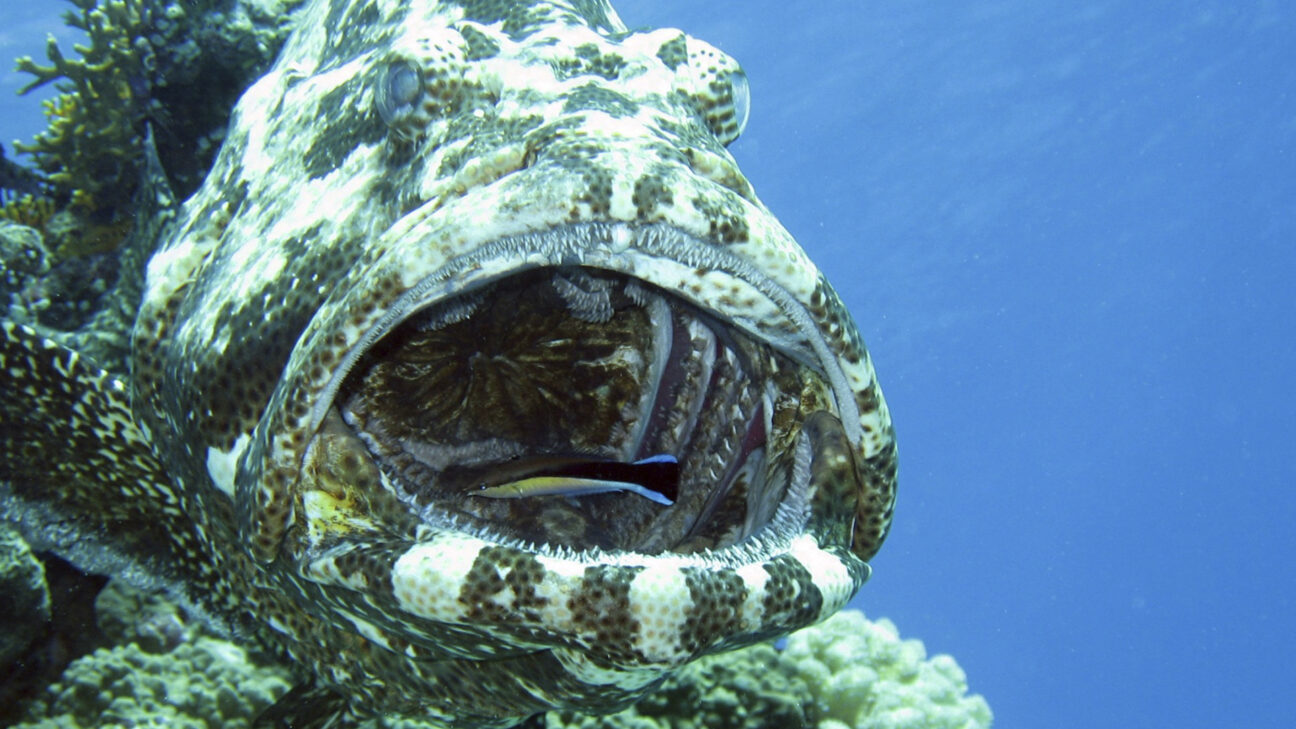
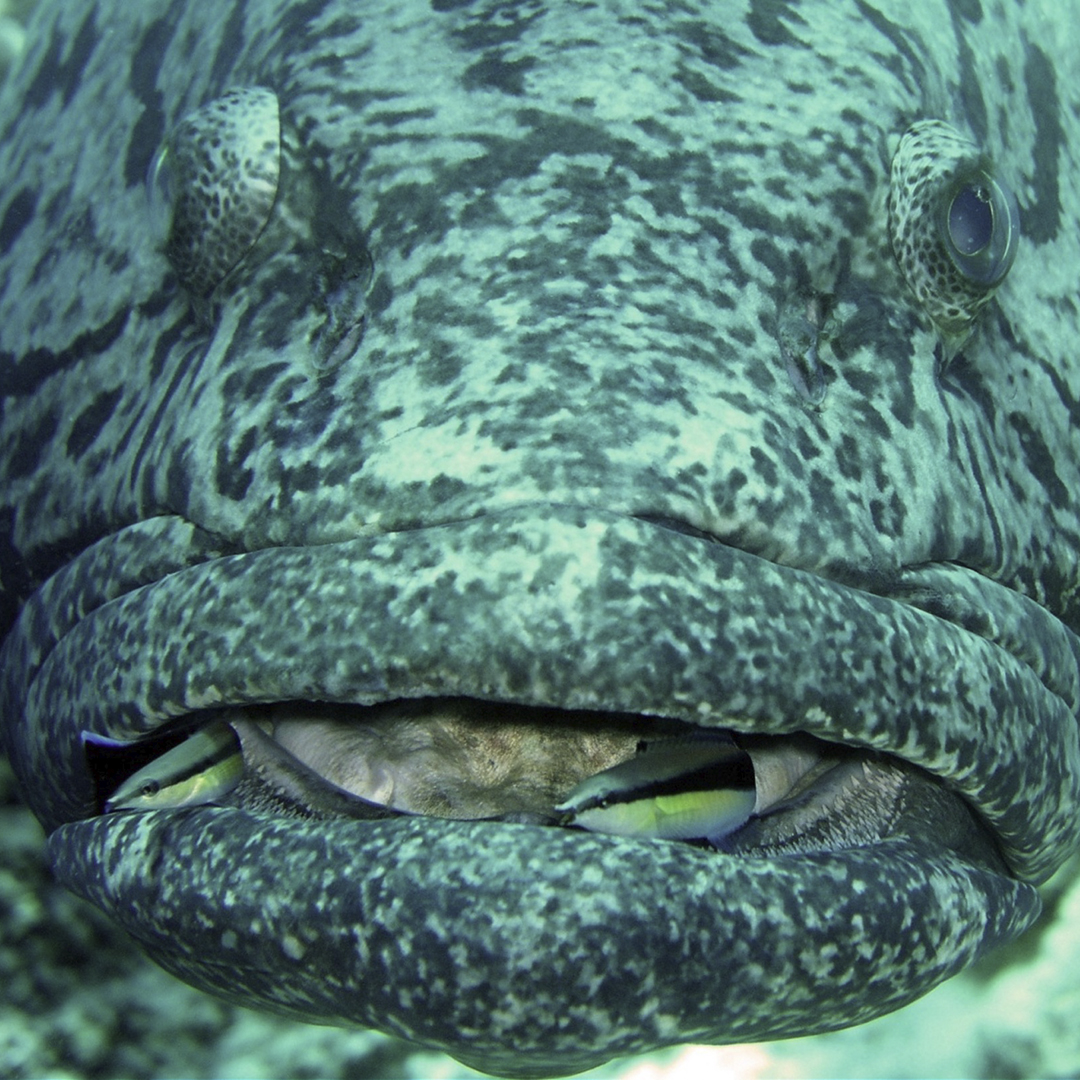
The cleaning mutualism between the wrasse Labroides dimidiatus and other reef fish has been and will continue to be the main model system. These cleaners remove ectoparasites from client reef fish but prefer to eat mucus, which constitutes cheating. While much of the initial research was conducted in the Red Sea, and some more research on Barbados and Moorea, we now fully focus on the Lizard Island Research Station, Great Barrier Reef.
In the early years, the research focus has been on general patterns, i.e. behavioural strategies on the species level. At the moment, we try to understand how local conditions on the level of demes (i.e. individual reefs around Lizard Island) may affect brain development and decision-making, and even how inter-individual variation within demes may affect survival and growth. To achieve these goals, we follow > 200 marked individuals from 8 demes at any time and record growth, movement, sex change, disappearance, social intra- and interspecific interactions, general fish densities and diversity, as well as coral cover and structural complexity. Some of the fish are caught, subjected to a test battery of cognitive experiments, and then used for brain analyses. With such detailed information, we aim to link ecology to brain development to cognition to previously recorded social behavior in nature.
In parallel, we are also interested in comparing the cognitive tool kit of cleaner fish to the cognitive tool kits in endotherm vertebrates (mammals and birds). As stands, the average endotherm species has a brain that is about 10 times larger than the brain of an average ectotherm vertebrate when correcting for body size. This raises the question what the brains of endotherms can do that the brains of ectotherms cannot, or to a lesser degree. We currently focus on executive functions, the general intelligence factor ‘g’, meta-cognition and mirror self-recognition.
Main current external collaboration partners in alphabetical order: Satoshi Awata (Osaka), Pawel Boguszewsky (Warsaw), Wen-Sung Chung (Brisbane), Fabio Cortesi (Brisbane), Masanori Kohda (Osaka), Olof Leimar (Stockholm), Xiang-Yi Li-Richter (Bern), Zegni Triki (soon Neuchâtel)
Male services in vervet monkeys
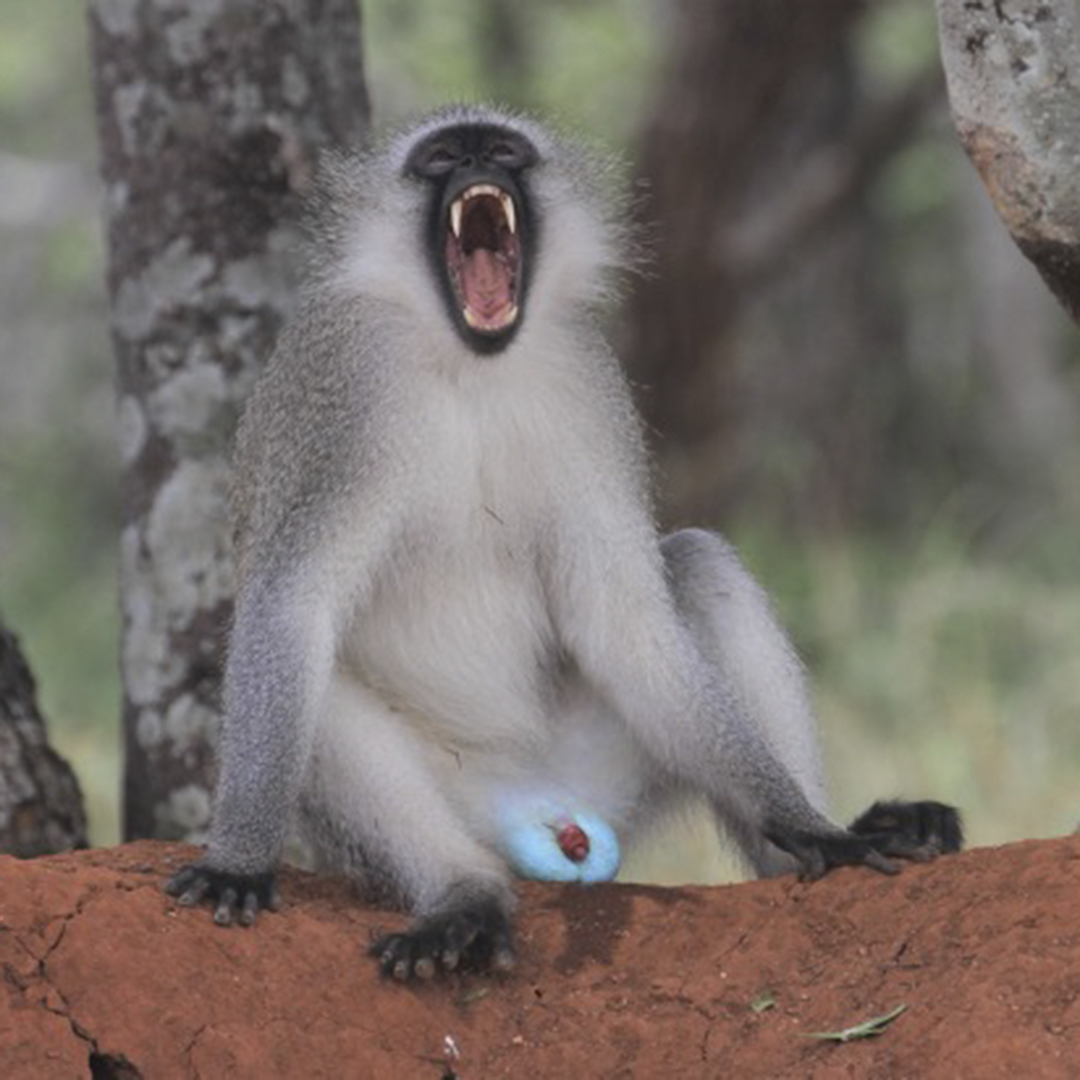
In nature, most acts of helping are either yielding immediate benefits to the helper, or the delayed return benefits are relatively easy to identify. One exception that has frequently been observed in primates is called ‘male services’. In many primates, males contribute more to vigilance, to anti-predator defense, and to between-group fighting than females do. Such behaviours take time and may be risky, and seem to benefit the entire group rather than targeted individuals. The benefits to males are less obvious. Our study on wild vervet monkeys at the Inkawu Vervet Project in KwaZulu-Natal/South Africa aims to understand why males provide such services. We investigate the relevance of services being a form of paternal investment versus services being a signal of quality in a system of reputation-based partner choice exerted by the females. We link variation in service provisioning to male tenure, genetic relatedness with infants/juveniles, hormones profiles and immune functions.
Main current external collaboration partners in alphabetical order: Olof Leimar (Stockholm), Xiang-Yi Li-Richter (Bern), Erica van de Waal (Lausanne), Carel van Schaik (Zürich)
The role of language in human hyper-cooperation (linked to the NCCR ‘evolving language’)
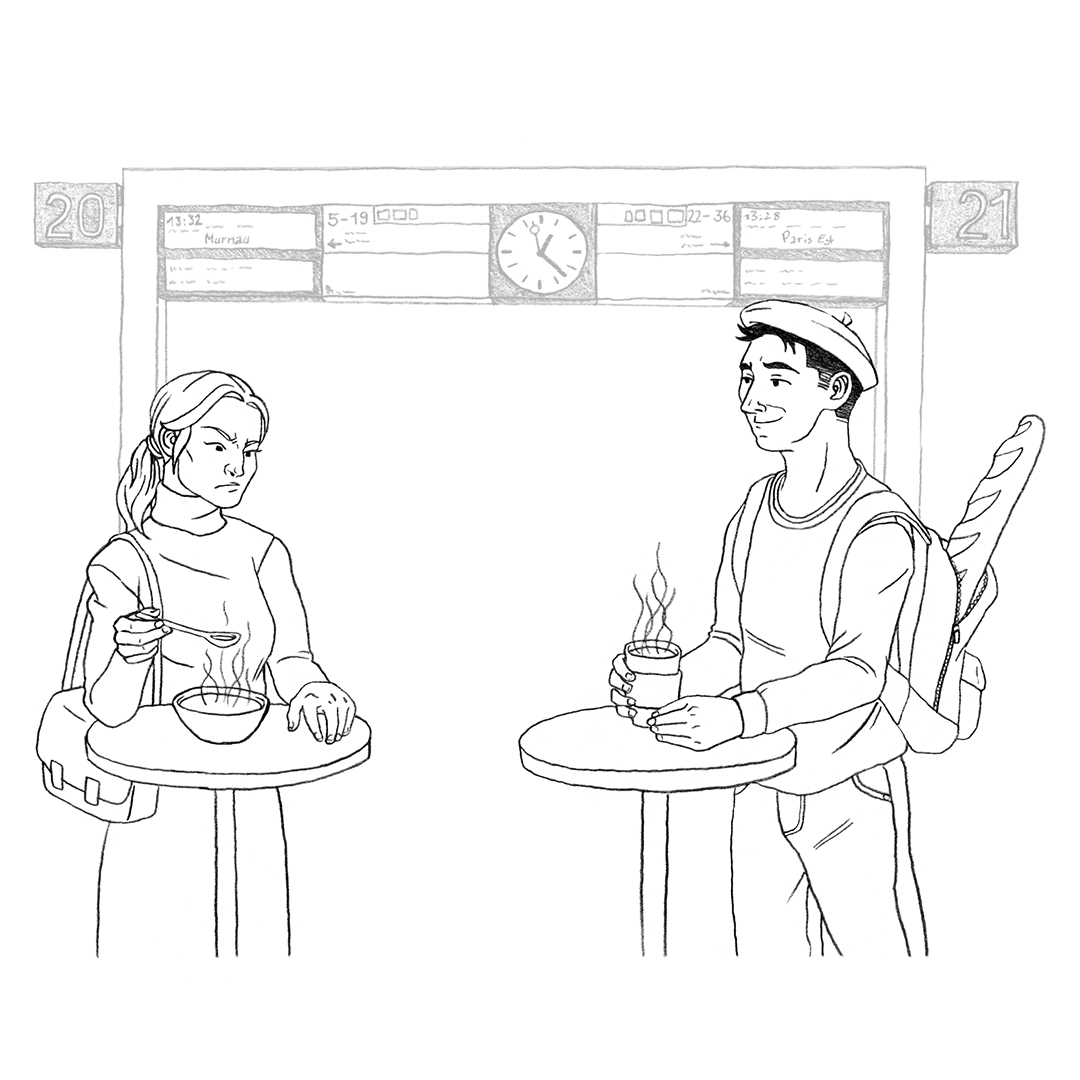
Although cooperation is widespread in nature, human cooperation is arguably far superior to other species and deserves special attention, also as a prime candidate driver for language evolution. The argument is that exceptionally high interdependence in humans led to a motivational and cognitive architecture that required exceptionally powerful communication. Although widely cited and plausible, this hypothesis is surprisingly understudied. One way to study cooperative decision-making is with evolutionary game theory, which makes predictions on how people interacting with each other make decisions about when to cooperate or to defect. The same rationale has also been applied to the larger evolutionary scale, which predicts which behavioural strategies should be favoured by selection and which ones should go extinct. A persistent problem with the current evolutionary game theory literature is that subjects are often tested under highly artificial situations and almost always without the option to communicate. The goal here is to test humans in naturally complex, applied situations of high socio-ecological relevance. To this end, we will study human cooperation and the ability to overcome cheating with a new generation of economic games, inspired by ecologically-valid dilemmas in animals, as for example in cleaner fish Labroides dimidiatus (and their interactions with reef fish from which they remove ectoparasites). We will combine strategic aspects, like partner choice and reputational information, with the role of language. By comparing human levels of cooperation across conditions with other species, it will be possible to get a clearer understanding of the larger evolutionary forces that have shaped behavioural decisions across species and, of special relevance here, the role language plays in cooperative behaviour.
Main collaboration partners in alphabetical order: Adrian Bangerter, Pascal Felber, Diana Mazarella, Zegni Triki (all Neuchâtel), external experts: Judith Burkart, Carel van Schaik (both Zürich)
The evolution of vertebrate brains
Vertebrate species show huge variation in brain size corrected for body size. There is variation of a factor 10 within endotherm species, within ectotherm species, and between the average brain-sized endotherm vs ectotherm species. What are the causes and consequences of such variation? How do we measure costs and benefits? And is brain size even an informative measure?
Collaboration partners in alphabetical order: Rui Oliveira (Lisbon), Carel van Schaik (Zürich), Zegni Triki (soon Neuchâtel)
A game theoretic approach to social behavior based on evolved learning rules
Evolutionary game theory typically assumes that genes directly code for behavior and underlying strategies in animals. Few more complex models assume that decisions may be state-dependent. In reality, genes and environment interact during brain development, and individuals use brains to obtain and store information that is used for learned decision-rules. Learning and memory capacities, as well as developmental brain plasticity, are subject to natural selection. Being explicit about the cognitive mechanisms underlying decision-making may produce game theoretic models of higher biological relevance. We currently focus on aggression and hierarchy formation, as well as on the role of social bonds for the evolution of cooperation.
Collaboration partner: Olof Leimar (Stockholm) is leading this project

