Current Projects
Funding: SNSF Biodiversa+ (since 03.2024), Swissuniversities (since 07.2024)
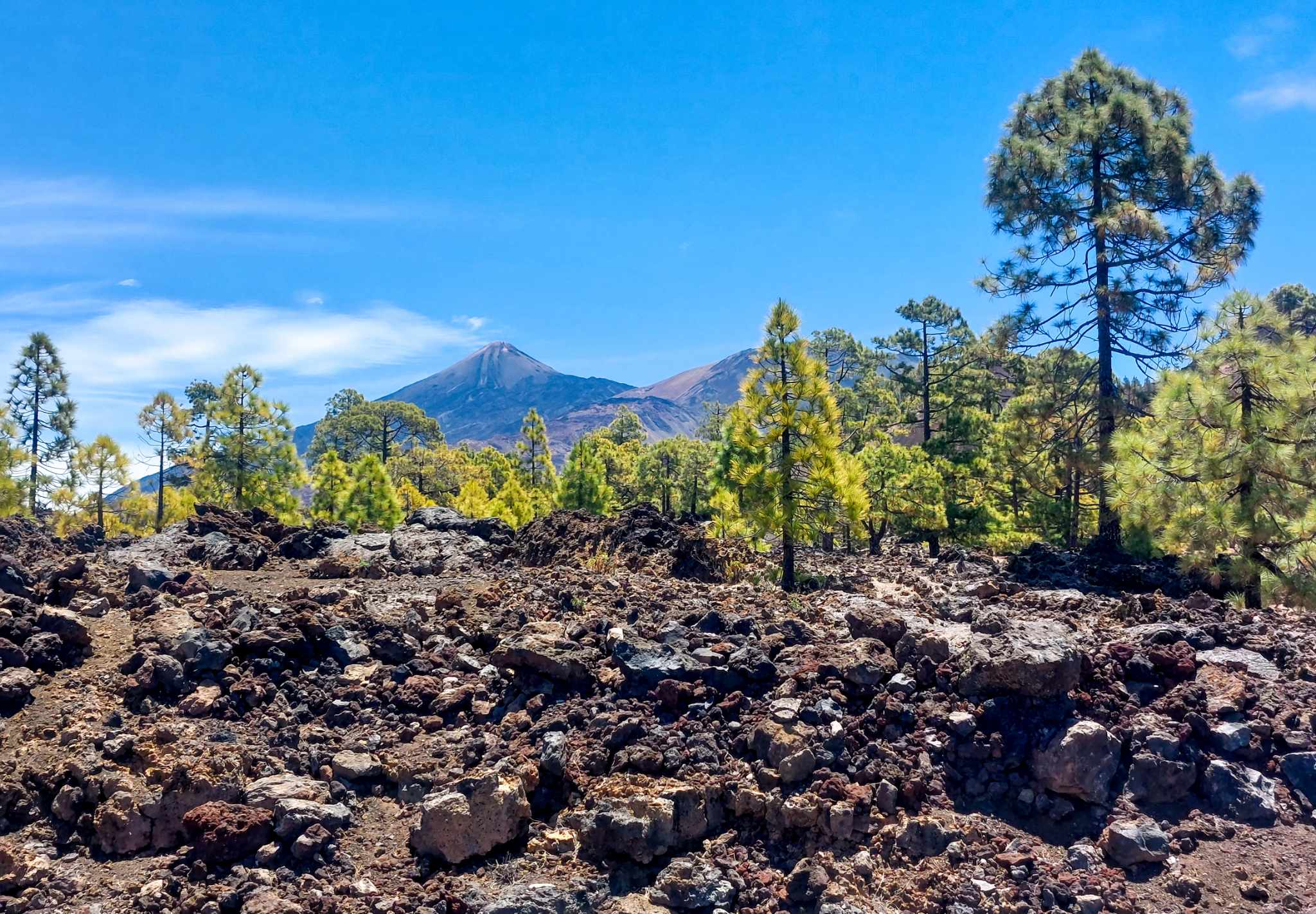
Oceanic islands, rich in biodiversity and unique endemic species, are crucial to monitor because of their vulnerability to global change. In BioMonI, we use historical data, vegetation plots, remote sensing, and modeling to monitor biodiversity and ecosystems on these islands, integrating evolutionary and functional perspectives. Our goal is to create an island-specific monitoring network and an electronic infrastructure to share this information with researchers, citizen scientists, and conservation managers.
|
 |
Funding: SNSF (since 09.2023)
Human activities are affecting tropical forests, leading to biodiversity loss and ecosystem deterioration. Current restoration programs are often limited, relying on monoculture tree plantations with few ecological and social benefits. Our project is testing the planting of trees of different species in diverse tropical contexts (South America, Africa, Southeast Asia) based on an experimental approach. We are using advanced technologies such as drone imaging and terrestrial lidar to monitor forest restoration. Our goal is to better understand the link between 3D vegetation structure, species diversity and ecosystem functioning. This project will strengthen ecological knowledge and guide future tropical forest restoration programs.
|
 |
Funding: Swiss Confederation Excellence Scholarship (since 09.2023), Leading House Asia (since 10.2024)
Tropical rainforests, rich in biodiversity, are threatened by the expansion of oil palm plantations. In order to test ecological restoration options, an experimental biodiversity enrichment site was established in an oil palm plantation in Indonesia. To analyze the impacts, we study the relationship between species diversity and ecosystem dynamics, such as natural regeneration and resistance to invasive plants. In addition, we study the links between different facets of biodiversity such as taxonomic, functional, structural, phylogenetic, spectral and phytochemical diversity. The project relates to analysis of field and remote sensing data. By improving the understanding of species interactions and other facets of biodiversity, we aim to test new approaches to restore degraded tropical forest landscapes.
|
 |
Funding: Les Bois Chamblard (since 09.2023)
Climate change is affecting forests, but current predictions are based mainly on macroclimate data, which differ from the actual microclimate in the understory. The mechanisms governing this microclimate remain poorly understood. Our project aims to study how ecosystem structure influences microclimate. We will measure temperature and humidity under the canopy at Bois Chamblard, and use remote sensing technologies to analyze plant structure in 3D. These data will shed light on the capacity of forests to mitigate climate change and provide microhabitats for organisms.
|
 |
Funding: Swiss Confederation Excellence Scholarship (since 09.2023), Ségré Foundation (2024)
Biodiversity is declining in many terrestrial ecosystems, including the Sahelo-Saharan biome, where the decline is at least 20% (IPBES, 2019). In Chad, a country rich in Sahelo-Saharan biodiversity, large mammals mainly depend on savanna ecosystems. The interactions between herbivores and woody plants in savannas are poorly understood. The project, carried out in the Ouadi Rimé Ouadi Achim Faunal Reserve in Chad, aims to fill these gaps. This reserve, typical of the Sahelo-Saharan, is home to populations of endangered antelopes, including the Oryx dammah and the Addax nasomaculatus reintroduced in 2016. We study woody vegetation and antelope distribution to understand their interaction in the food chain and improve their conservation.
|
 |
Funding: FOEN (since 10.2024), University of Neuchâtel (since 10.2024)
Rivers in Switzerland have historically been channelized to increase agricultural land, control irrigation, and expand urban areas, but recent revitalization efforts aim to restore their natural flow and biodiversity. This project focuses on evaluating the impact of river revitalization on wild bees in Switzerland, which have so far not been monitored in such systems despite the fact that they are excellent bioindicators. We compare wild bee communities in revitalized and built-up river sections to assess how different habitat characteristics influence bee communities. Our goal is to develop a monitoring framework and provide recommendations for future river revitalization projects to enhance conservation of wild bees and biodiversity more generally.
|
